
1.Categorized by Application Scenarios
| English name | Core daily applications |
|---|---|
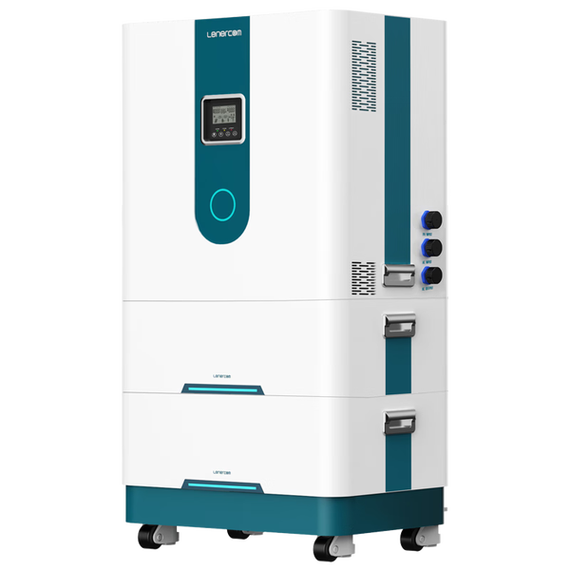
| Home Energy Storage System | Stores surplus PV power, saves cost by peak-valley price, emergency home power outage backup |
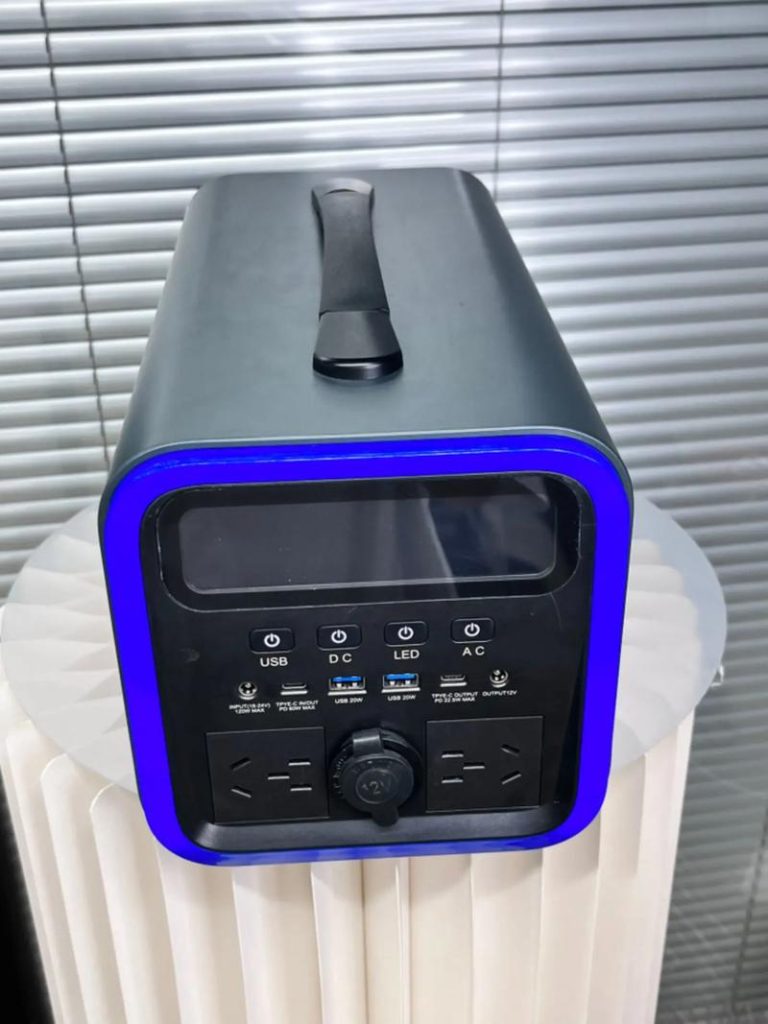
| Portable Energy Storage Power | It supplies power for outdoor scenarios including camping, outdoor shooting, stall vending and mobile office work, and can also serve as a small emergency backup power supply for household use |
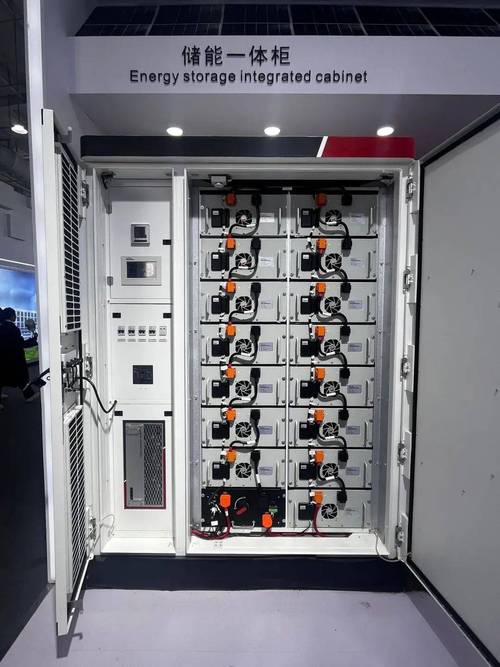
| Grid-Scale Large-Capacity Energy Storage | Serves large power grids for grid stabilization; unavailable for regular daily household use |
2.Categorized by core energy storage components
| English name | Core daily applications |
|---|---|
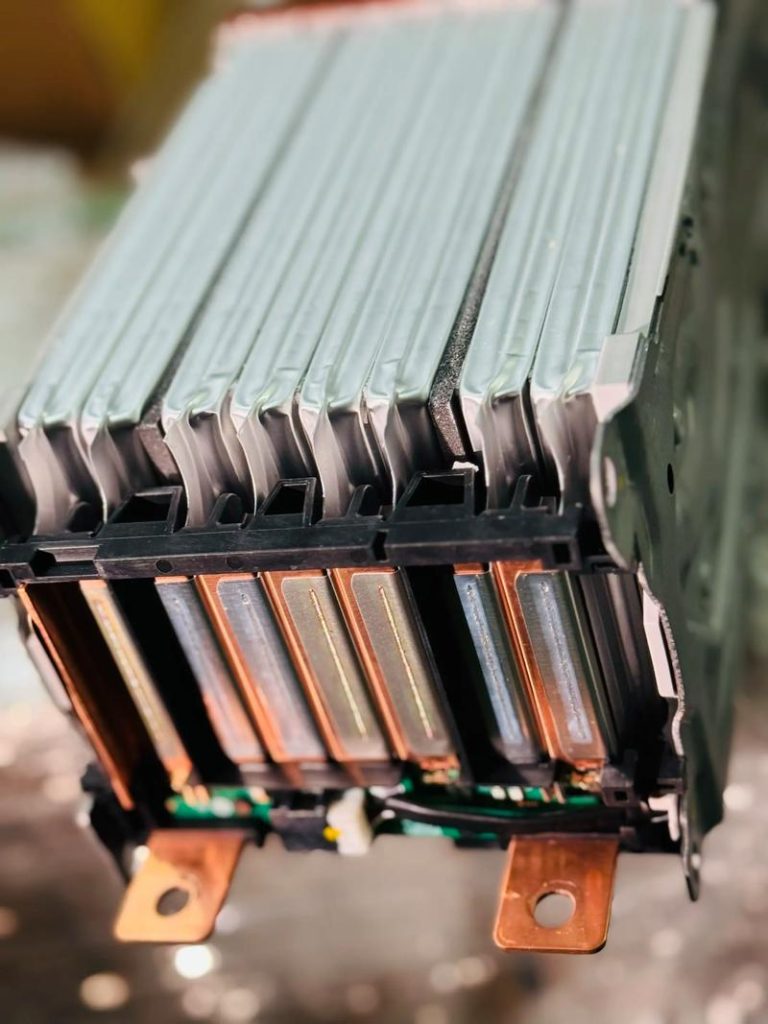
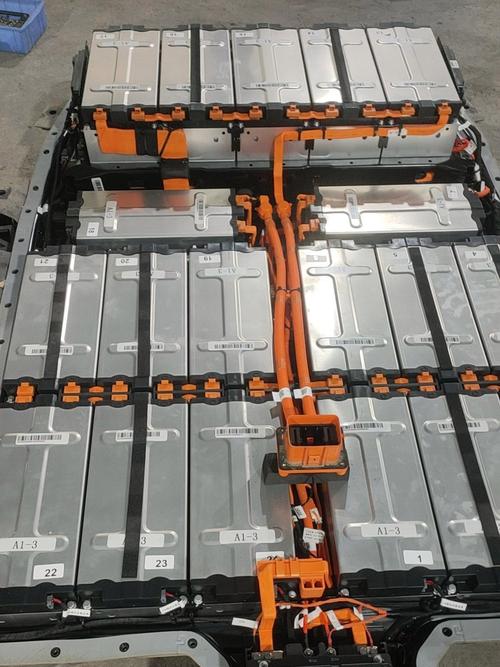
| Lithium Iron Phosphate (LFP) Energy Storage Battery | It is the mainstream cell for current household energy storage devices, featuring safety, durability and cost-effectiveness for home and portable outdoor energy storage |
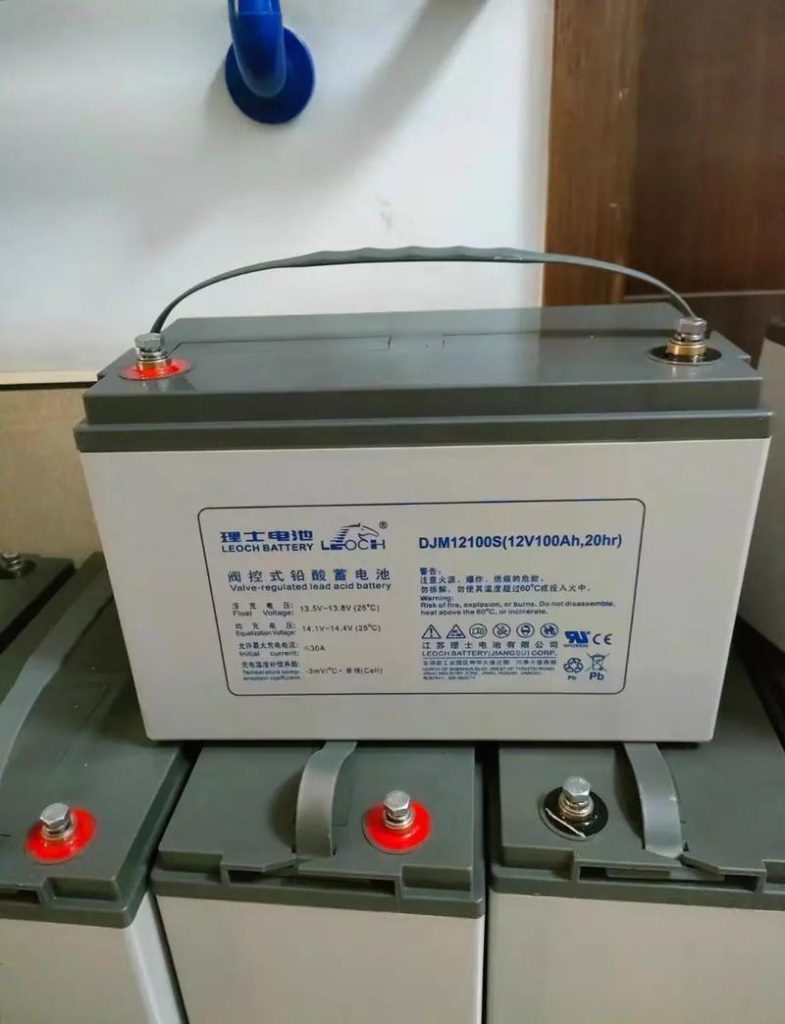
| Lead-Acid Energy Storage Battery | Low cost, widely used in small solar street lights and low-end emergency power supplies, gradually replaced by lithium batteries for household energy storage |
| Ternary Lithium Energy Storage Battery | Boasts higher energy density, widely applied in premium portable energy storage devices requiring compact size and large capacity yet comes with relatively higher costs |
3.Categorized by System Integration Mode
| English name | Core daily applications |
|---|---|
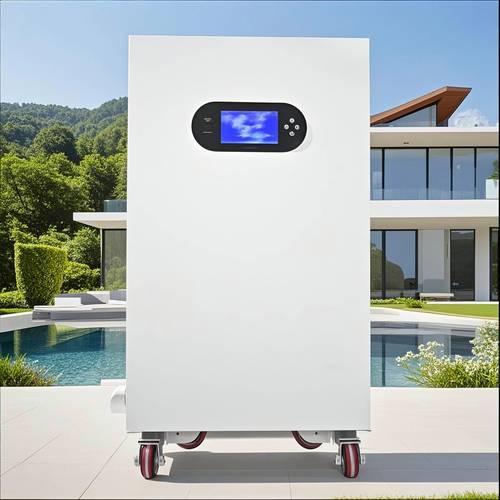
| Integrated Energy Storage System | Integrated with battery, inverter and control system; easy to install for direct household application |
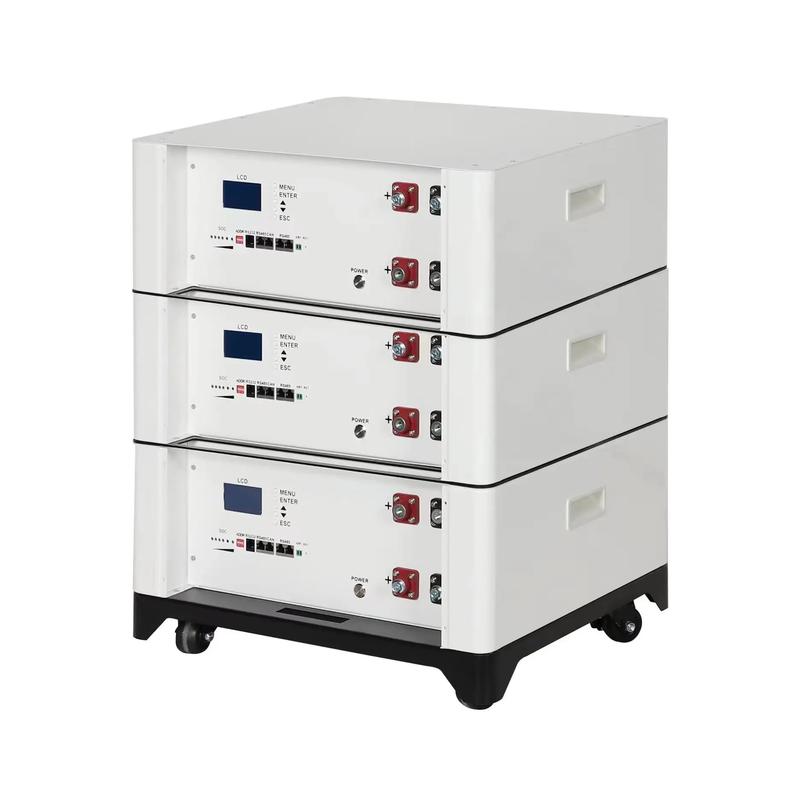
| Distributed Energy Storage Module | Supports on-demand capacity expansion with flexible modular add-ons for gradual upgrades for high-power-consumption households |
After installing the home energy storage system, it will automatically switch to backup power during outages, and the refrigerator and air conditioner at home can operate normally.When camping outdoors, the portable energy storage power can supply power to lighting equipment, barbecue grills and mobile phones at the same time.
Key Selection Points for Household Energy Storage Equipment
| Core Selection Parameters | Parameter Description |
|---|---|
| Battery Type | It is recommended to choose lithium iron phosphate battery, which has high safety and longer cycle life |
| System Capacity | Match according to 0.5 times the household daily electricity consumption, avoid waste caused by excessive capacity |
| Depth of Discharge (DOD) | Prioritize products that support more than 90% depth of discharge, with higher effective available capacity |
| Cycle Life | Choose the standard that the nominal cycle life is ≥6000 times and the capacity decays to 80% to ensure the service life |
| Continuous Output Power | It needs to be greater than the maximum household power load to avoid overload when using high-power electrical appliances at the same time |
| Ingress Rating | Prioritize IP65 and above, which is moisture-proof and dust-proof, and adapts to different installation environments |
| Operating Temperature Range | -10℃~50℃ is recommended for southern China, and products supporting low-temperature preheating are recommended for cold northern areas |
| Expansion Capability | Choose products that support modular expansion, which is convenient for upgrading when the power demand increases in the future |
| Warranty Period | Prioritize regular brands that provide 10-year warranty, with more reliable after-sales service |